
Open Dialogue in Schools and Communities (ODiSC)
ODiSC is a collaboration between healthcare practitioners from the NHS involved in the ODDESSI trial, researchers based in the UK and health, social care and education practitioners who are interested in the potential of Open Dialogue to be used in school settings and beyond.
Our 1 hour introduction to Open Dialogue in Schools and Communities took place on Thursday 27th November and can be watched via our YouTube channel here.
Open Dialogue is a highly collaborative and person-centred approach to mental health care. First developed in Northern Finland in the 1980s, the emphasis on dialogue and respectful exchange of multiple viewpoints within a person’s family and social network and shared decision-making offers an empowering way to support individuals experiencing mental health distress.
The UK is now home to the largest and most rigorous study of Open Dialogue in the world to date – the ODDESSI trial. This multi-centre randomised controlled trial has been followed with great anticipation internationally. The findings are due to be published in December 2025.
For those in education and allied services, the principles of Open Dialogue offer a powerful framework for fostering student agency and giving voice to young people, especially when navigating mental health challenges. Schools, allied services and communities can come together through an approach which values diverse perspectives and actively builds trust, especially in marginalised communities.
More information about the implementation of Open Dialogue within a school setting can be found here.
The article in the Journal of Marital and Family Therapy examining parents’ perspectives on Open Dialogue within a school context is available below:
Reputation and Responsibility: A Qualitative Investigation of Parents’ Experiences of Open Dialogue
School Meetings
Ben Ong | Andrea McCloughen | Sarah Farrell‐Whelan | Niels Buus
A short video from Sarah Farrell-Whelan, sharing Korowal School’s journey in implementing Open Dialogue, is available on our YouTube channel.
Register your interest in ODiSC using the form below, or via email: MHtimeforactionODiSC@gmail.com


ODiSC Working Group
Tracy Lang Co-Founder ODiSC
Tracy uses her teaching expertise in developing POD training in Devon having worked with one of ODDESSI and APOD research sites.
Rachel Bannister Co-founder ODiSC
Rachel co-founded Mental Health – Time for Action in 2017 after spending years trying to secure suitable mental health support for her teenage daughter.
She is committed to transforming mental health services to be more compassionate, holistic, and relational. Recently, she completed a Postgraduate Certificate in Peer-supported Open Dialogue, Social Network and Relationship Skills (POD) and works part-time as a POD Facilitator. Rachel, who is a teacher by background, firmly believes that the POD approach should be integrated into schools and communities, working alongside traditional health services to offer a more human, person-centred care and hopeful approach.
Jo Barclay ODiSC Chair
Johanna Barclay trained in Peer Supported Open Dialogue (POD) in 2018 and joined one of the ODDESSI research sites in NELFT NHS Trust. Her work as a POD practitioner and mindfulness teacher has been driven by a deep wish to see better services than those received by her family members.
Johanna is also a speech and language therapist with broad experience including work in schools and the youth offending services in South London. She brings an in-depth knowledge of the developmental processes involved in dialogue and is fascinated by the moment-by-moment interactions which build shared meaning and connection.
Johanna is delighted to chair the Open Dialogue in Schools and Communities (ODiSC) group with the aim of supporting agency in children, their families and people who care about them.
Tilly Read
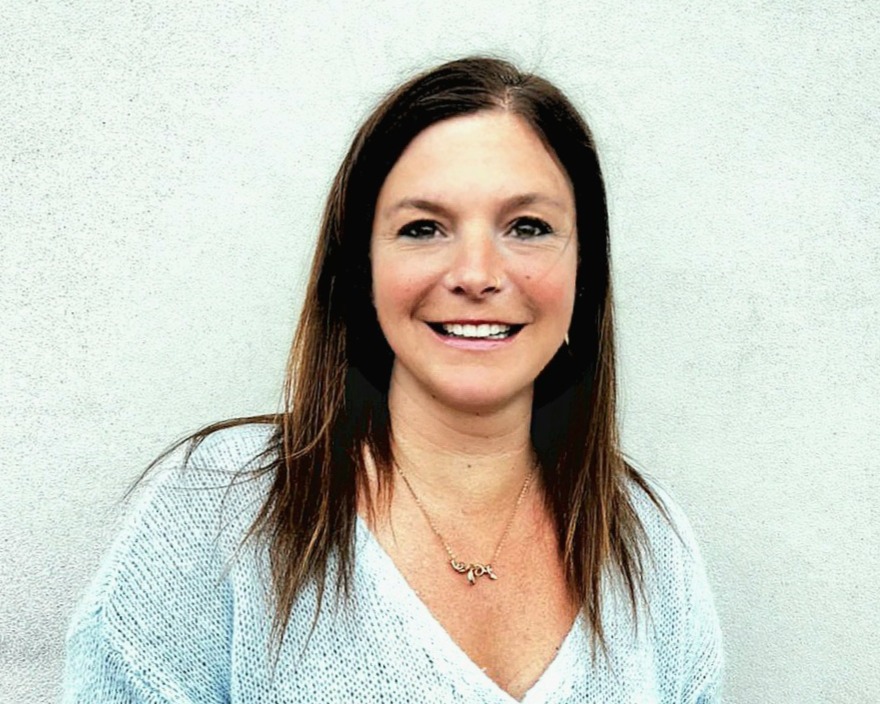
Tilly is a registered mental health nurse and the Clinical Practice Lead for both the Community Mental Health Team and the Open Dialogue Team in Torbay, Devon. She trained in Open Dialogue in 2017 and has since become a key contributor to the UK’s development of dialogical practice. Tilly played a central role in the ODDESSI trial, leading her team through training, implementation, and the integration of Open Dialogue principles into everyday community mental health care.
With over a decade of experience facilitating Open Dialogue network meetings, Tilly brings a grounded, relational, and collaborative approach to her work. She is passionate about organisational and systems‑level culture change, advocating for care that sees people as individuals rather than diagnoses. Her commitment to this work is rooted in personal experience: she entered mental health nursing after supporting a family member through their own mental health difficulties, shaping her belief in compassionate, family‑inclusive care.
Tilly also works internationally. She recently spent three months in Sydney supporting the Open Dialogue Centre as a trainer, working with Australian organisations as they explore and embed dialogical approaches across community mental health, youth services, and early intervention. Tilly’s contribution has supported teams to build confidence, strengthen implementation, and develop sustainable models of dialogical care.
Darren Baker
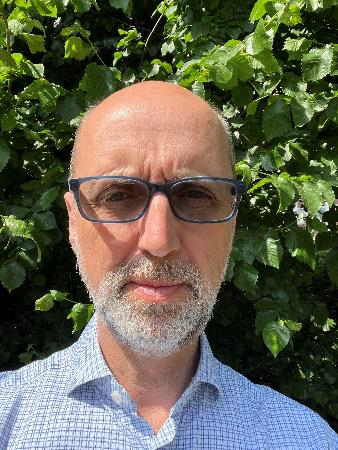
Darren is a Consultant Clinical Psychologist, who has worked in the NHS in adult mental health for over 25 years. He was one of the first people to complete a 3-year training in Open Dialogue outside of Finland and qualified as both a practitioner and trainer in 2018. Since then, he has been involved in a number of Open Dialogue projects in the NHS and is currently the Lead for Open Dialogue Practice Development and Training in the Central and North West London Trust. This includes one of the largest pilots of Peer Informed Open Dialogue in the UK. Darren has a particular interest in training and works as a trainer for Open Dialogue UK, which has trained numerous teams and services in Open Dialogue across the country. In addition, he also organises the Open Dialogue Implementation Network (ODIN), which is open to anyone interested in developing and implementing the approach. Darren believes that dialogical principles, values, and skills can be of great value in all contexts were people work and come together, including in education and beyond!
Nick Andrews

Nick Andrews is a registered Social Worker who leads the Developing Evidence Enriched Practice (DEEP) programme in Swansea University. He is interested in the use of story and dialogue methods to support both learning and well-being. Nick became interested in ODiSC because of the potential linkage between Oracy and Open Dialogue with children and young people. He is currently developing connections and raising interest at strategic and practice levels across Wales.
Neil Phillipson

Neil has over 25 years’ experience in education as a teacher, CPD provider, and teacher educator. His interest in dialogue began with his first experience of Philosophy for Children (P4C) – He has now been a P4C trainer for thirteen years and still loves the approach. Neil is also an Associate of Oracy Cambridge, an Accredited Dialogue Practitioner with the Academy of Professional Dialogue and a Lead Facilitator of Dialogue with Generation Global. In 2017 Neil co-authored the book Dialogic Education with Professor Rupert Wegerif of the University of Cambridge. Neil believes that dialogue can make the world a better place, and the ODiSC project is a wonderful example of its use to improve lives – He is thrilled to be involved in helping to bring Open Dialogue to schools in the UK.
Anneza Parvez

Aneeza is a social and developmental psychologist and Betty Behrens Research Fellow at Clare Hall, University of Cambridge. Her research focuses on belonging, peer relationships, relational ethics, and prosocial development in school settings.Aneeza is a social and developmental psychologist and Betty Behrens Research Fellow at Clare Hall, University of Cambridge. Her research programme centres on belonging, peer relationships, social power, and prosocial development in primary and secondary school contexts. She works closely with schools to explore how relational practices can be embedded in everyday educational life, not as add-ons, but as part of the moral and social fabric of school communities.
Her work combines qualitative and mixed-methods research with a strong emphasis on children’s perspectives. Across projects, she examines how young people understand kindness, fairness, exclusion, and care, and how institutional structures can either sustain or undermine relational wellbeing.
Within ODiSC, Aneeza is particularly interested in how Open Dialogue might be meaningfully integrated into school systems at an early stage, supporting families, strengthening peer and adult relationships, and creating cultures where emotional complexity can be held collectively rather than individualised. She brings expertise in research design, evaluation, and collaborative partnerships between academia and schools, and is committed to ensuring that the project develops with conceptual clarity and strong evidence foundations.
 Mental Health - Time for Action Foundation